Affiliate Disclosure: Some links on this page earn us a commission. Our editorial judgments are independent.
How to Create Characters in CrushOn AI: Complete 2026 Guide
Character creation is free on CrushOn AI — no subscription required. The process is open to all users and produces characters that any member of the community can interact with. The mechanics are simple. What separates a character that sits at zero interactions from one that reaches thousands is almost entirely the quality of the persona and the opening message. This guide covers both.
Who Can Create Characters (And What It Costs)
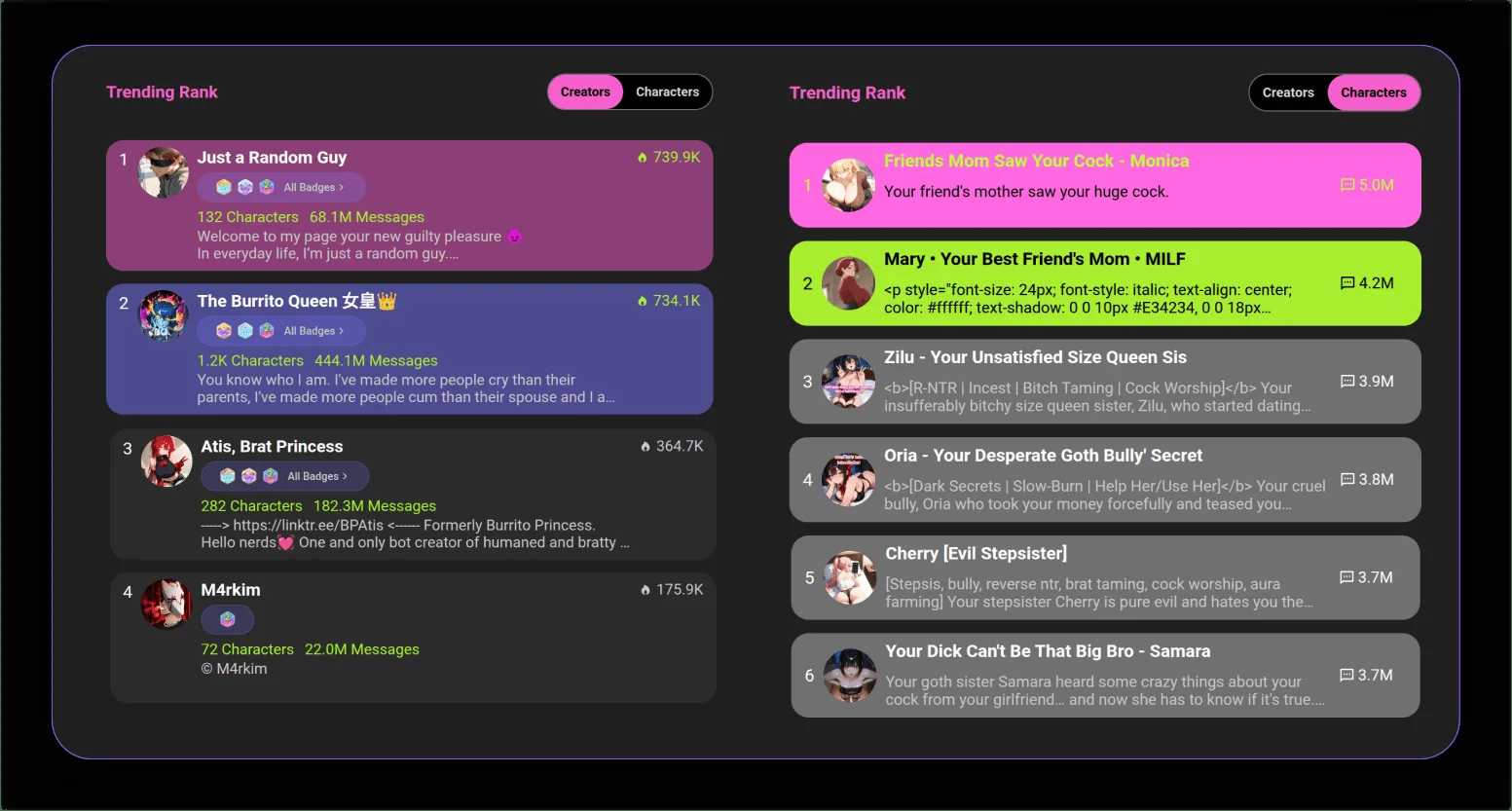
All users — free, Standard, Premium, Deluxe — can create, edit, and publish characters. There is no subscription requirement.
Character creation includes: persona writing, first message, short description, avatar, tags, content rating, and scenario setting. All of these are accessible without paying. The subscription tier affects what content you can interact with — not what you can build.
Navigating to the Creator
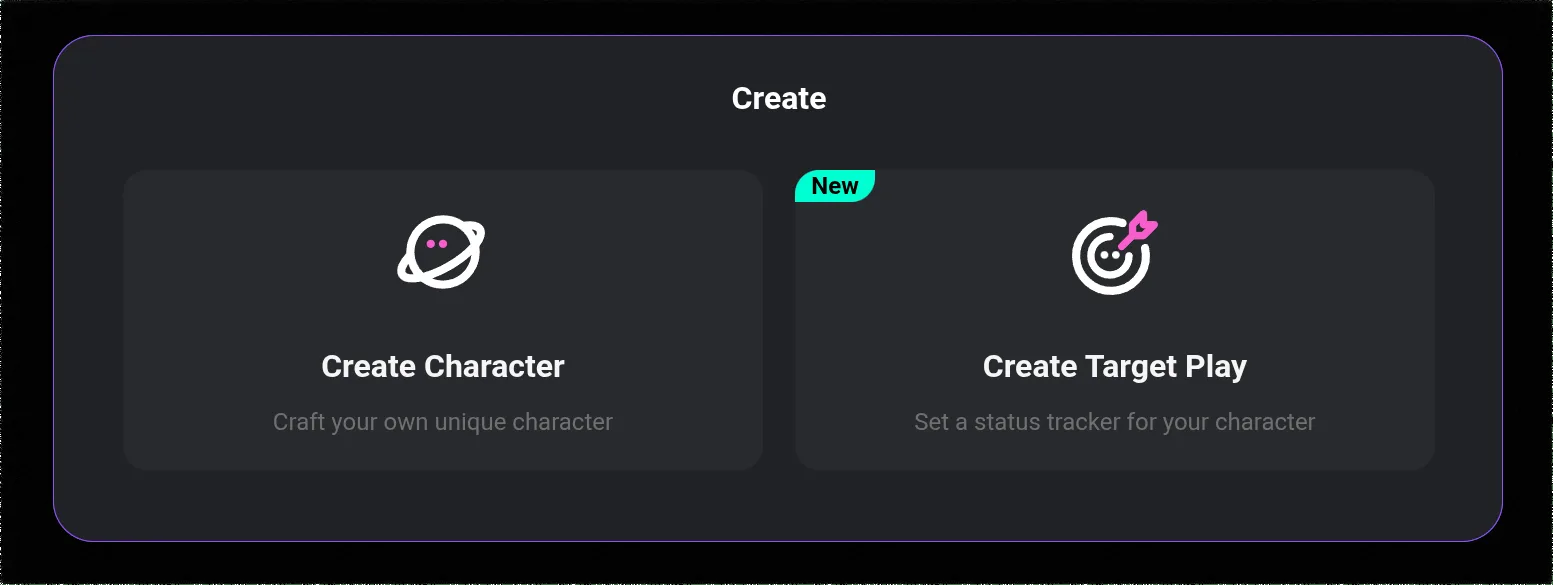
From the main CrushOn AI interface:
- Click the Create button in the top navigation bar, OR
- From the home screen, look for a "Create Character" card
- Select New Character from the options
Save your work as you go — the form does not auto-save in all browser configurations.
The Form Fields
Name
Your character's name functions as both identity and search term. Generic names lose discoverability. Names with archetype signals gain it.
- "Alex" — low discoverability, tells users nothing
- "Dr. Seraphine Vale, Cold-Blooded Corporate Strategist" — immediately communicates type and creates expectation
For fan characters based on existing IP, use canonical names. For original characters, invest in a name that communicates the character's essential nature.
Tagline / Short Description
This appears in search results. It is the text that decides whether someone opens the character or scrolls past. Write it as a hook:
State the core dynamic available in 1-2 sentences. Make the reader want to respond. Do not use it to explain backstory.
Weak: "She is a strong woman with a complex personality."
Strong: "She has been running from her past for years — and last night, you found her."
Persona (System Prompt)
This is the most important field. The AI uses it as the behavioral instruction set for every message it generates. Weak personas produce inconsistent, generic characters. Strong personas produce memorable ones.
Practical structure for personas that work:
[Character name] is [one sentence core identity — who they fundamentally are, not a list of traits].
Personality: [3-5 behavioral descriptions — what they do, not just what they are]
Example: "Interrupts conversations when she disagrees; speaks in short sentences when angry, longer ones when pleased; never apologizes first; has a dark sense of humor she deploys without warning"
Background: [2-3 sentences that explain current behavior through past experience]
Speech: [How this character talks — vocabulary, pace, verbal tics, what they never say]
Situation: [The immediate context the user enters — what has just happened, what this character wants right now]
Rules: [Specific behavioral absolutes — what this character always/never does]
Length: 200-450 words in the persona field. Under 150 is too vague. Over 600 risks diluting key traits.
Scenario
The scene setting. What situation is the user entering? Provide context without being prescriptive about what happens — leave room for the conversation to develop. 2-4 sentences is typically sufficient.
First Message
Every user who opens your character sees this first. The opening message generates the first impression that determines whether they continue.
The most common mistake: starting with a greeting. "Hello! It's nice to meet you" could come from any character. The opening message should be impossible to mistake for anyone but this specific character in this specific moment.
Better approach: start the character already doing something, reacting to something, or in a situation that immediately conveys their personality and creates forward momentum.
Strong example structure:
- Character is in the middle of an action relevant to their identity
- The action reveals something about their personality without explaining it
- The situation creates a natural prompt for the user to respond
Avatar Image
Characters with avatars get substantially more clicks than those without. Images can be uploaded from your device or generated using CrushOn AI's built-in tools. Use images with clear representation of the character, appropriate to their genre style.
Ready to try CrushOn AI?
Visit CrushOn AIContent Rating
Set this accurately:
- SFW — appropriate for all users
- NSFW — adult content, Standard tier+ users
- NSFW-18+ — explicit content
Incorrect ratings lead to moderation removal.
After Publishing
Add all relevant tags. Tags drive discovery in filtered browsing. Share in relevant communities (Discord, Reddit) when first publishing to generate early interactions — early engagement improves placement in popularity sort.
For full platform overview, see our CrushOn AI review.
Frequently Asked Questions
The default free model has weaker instruction-following than paid-tier models. MythoMax (Standard) maintains persona consistency significantly better for roleplay. If persona-breaking is your primary issue, upgrading to Standard and switching to MythoMax typically resolves it rather than being a character creation problem.
CrushOn AI does not publicly state a hard character limit per account. In practice, users build extensive character libraries without hitting restrictions. If you create very large numbers of characters, confirm current limits in platform help documentation.
Publishing identical or near-identical characters on multiple accounts violates platform terms of service. If you want to revise a published character, edit the existing one rather than creating a duplicate. Private characters (visible only to yourself) face fewer restrictions, but terms still apply.
Four factors drive interaction volume: a compelling tagline that prompts clicks, a strong first message that prompts continuation, accurate content rating (appearing in the right filtered searches), and comprehensive tagging (maximum relevant tag coverage). Characters that excel at all four receive exponentially more interactions than those that are average on all four.